

Low Voltage Power Cables

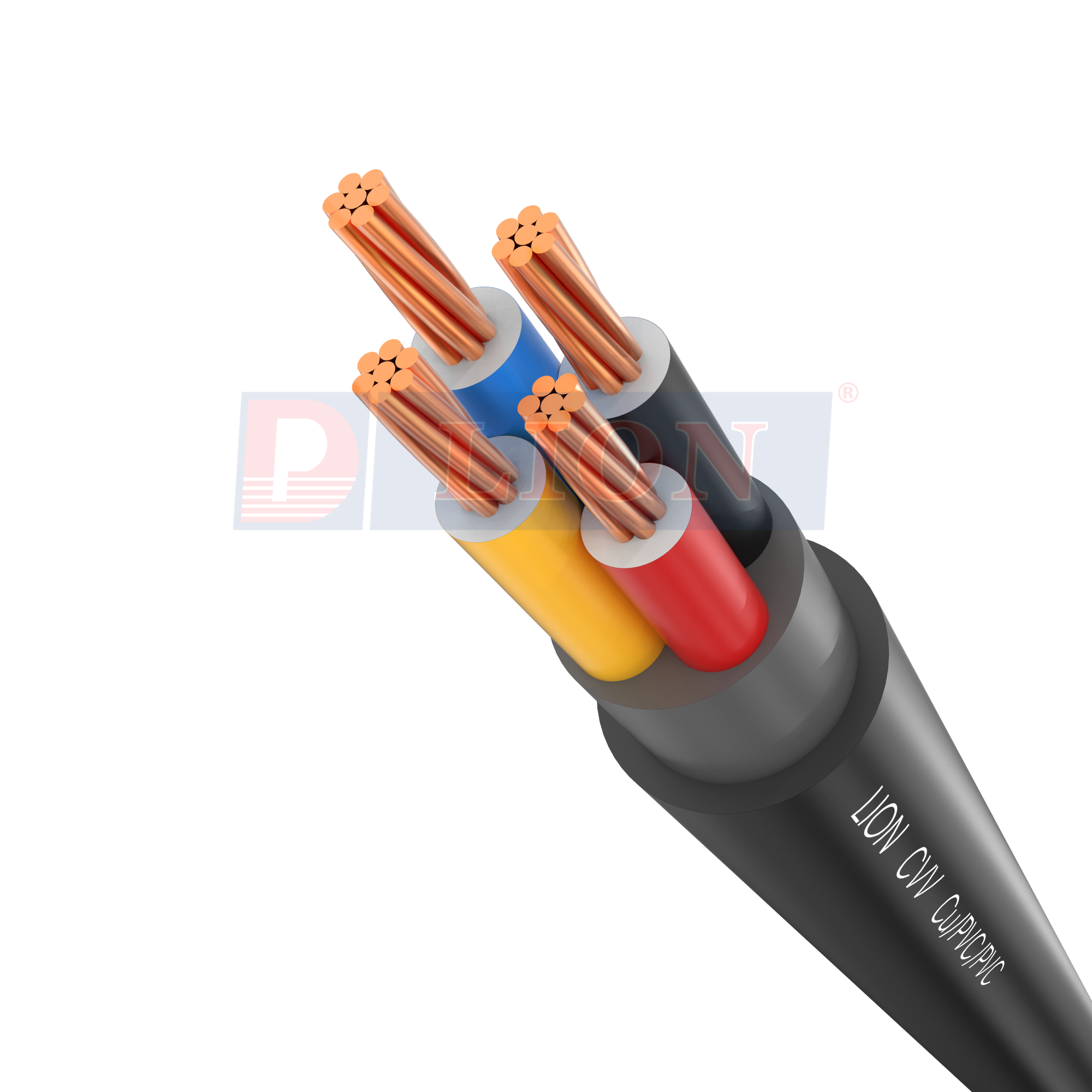
CVV-300/500V
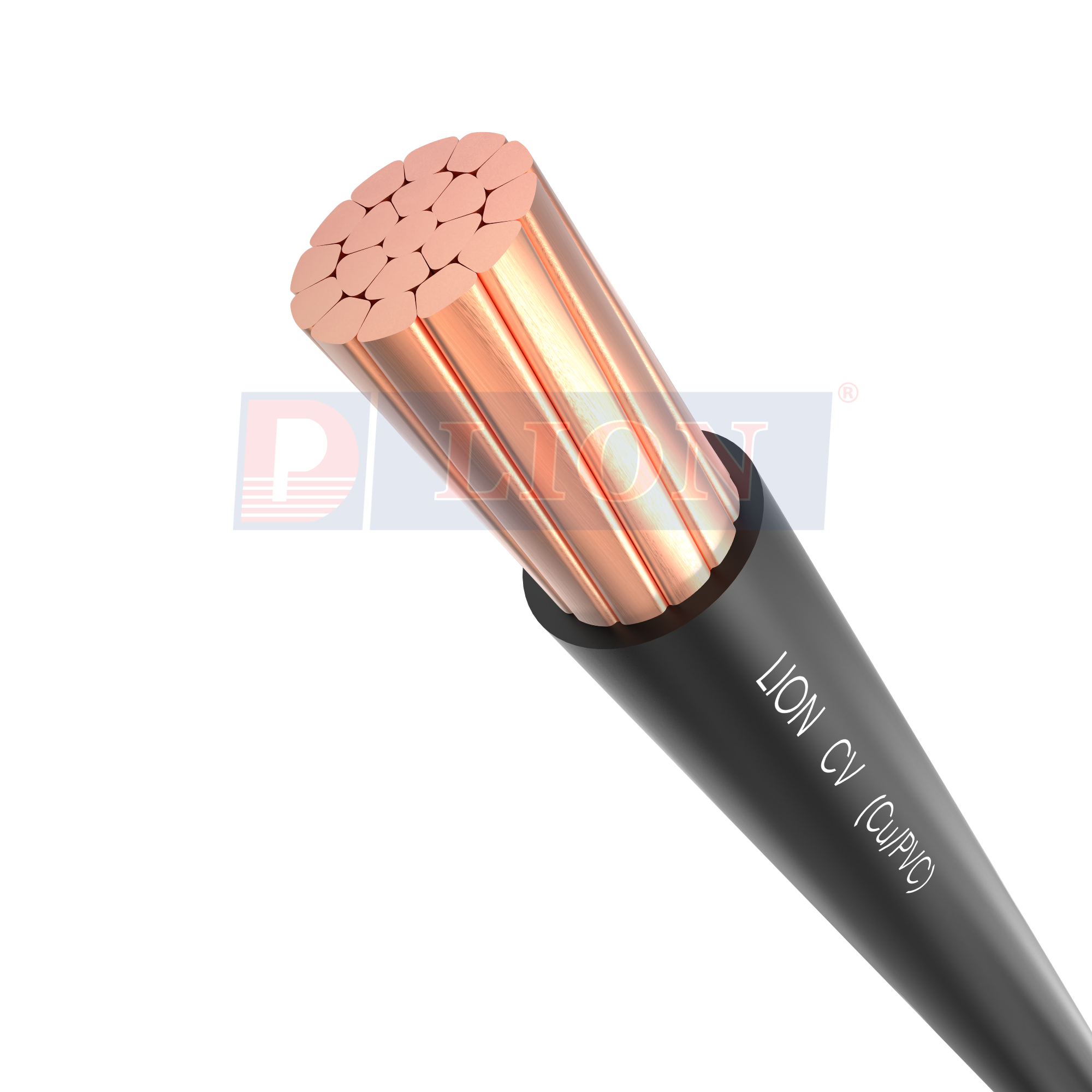
CV – Cu/PVC- 0.6/1kV
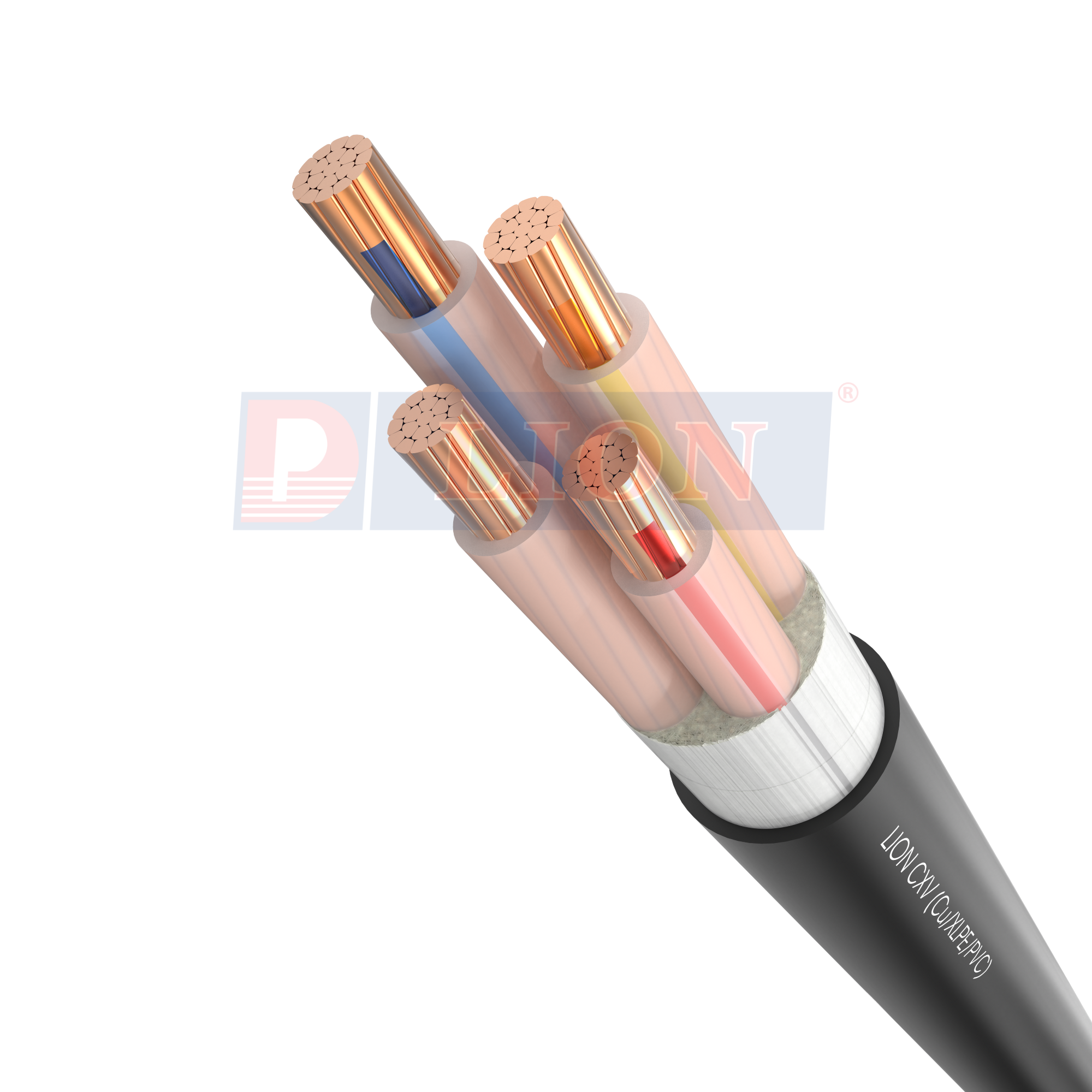
CXV – CU/XLPE/PVC
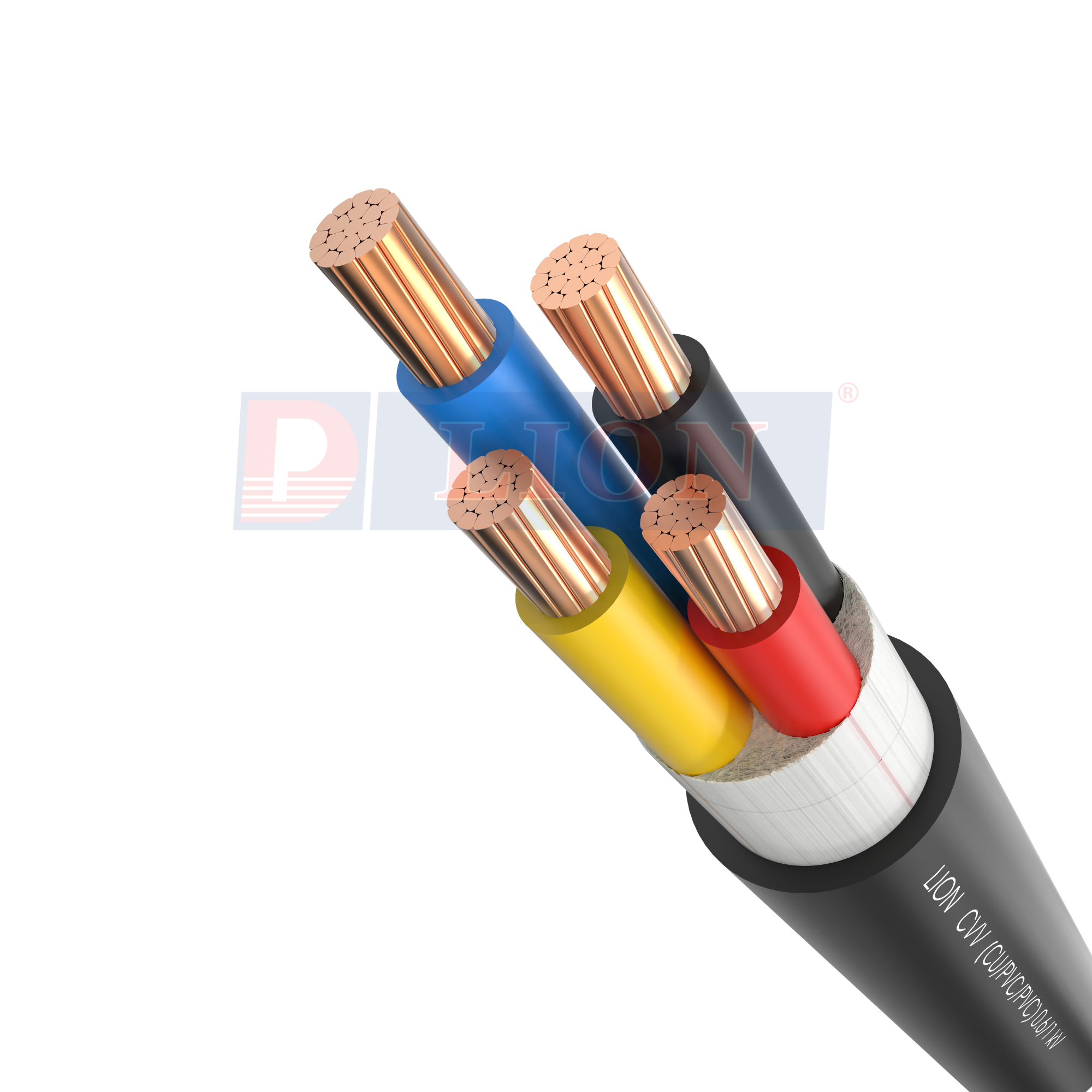
CVV – 0.6/1kV
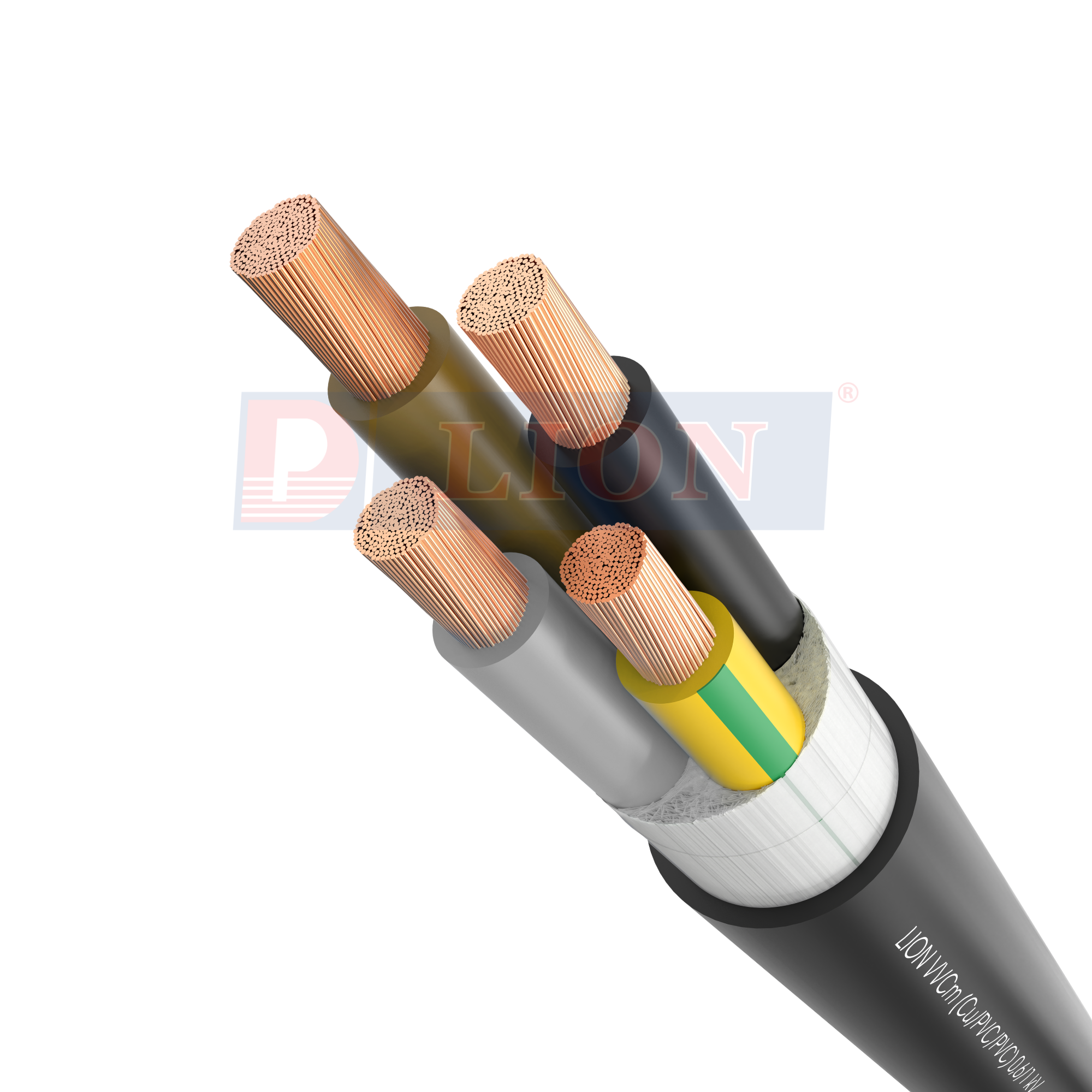
VVCm – Cu/PVC/PVC
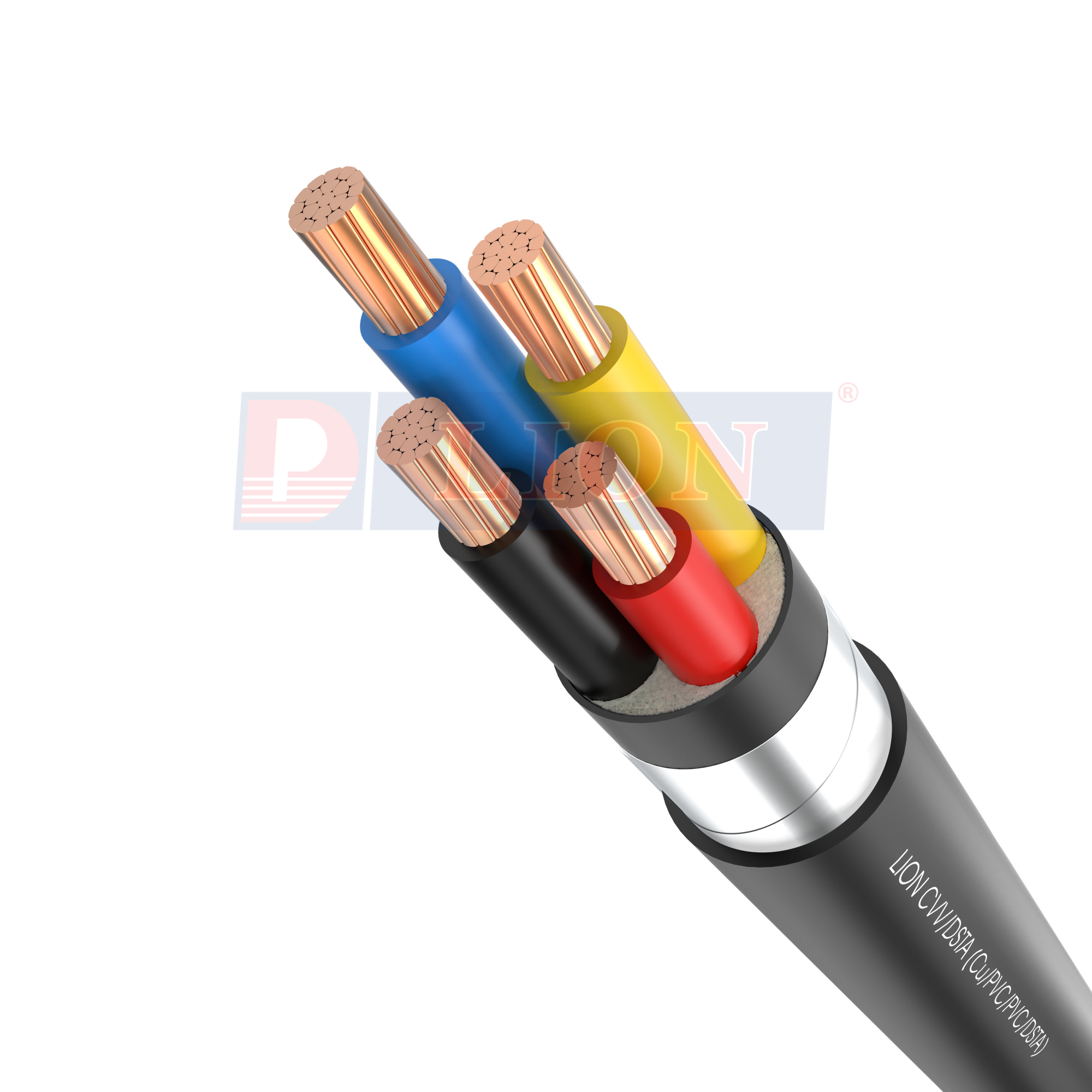
CVV/DATA (DSTA) 0.6/1kV
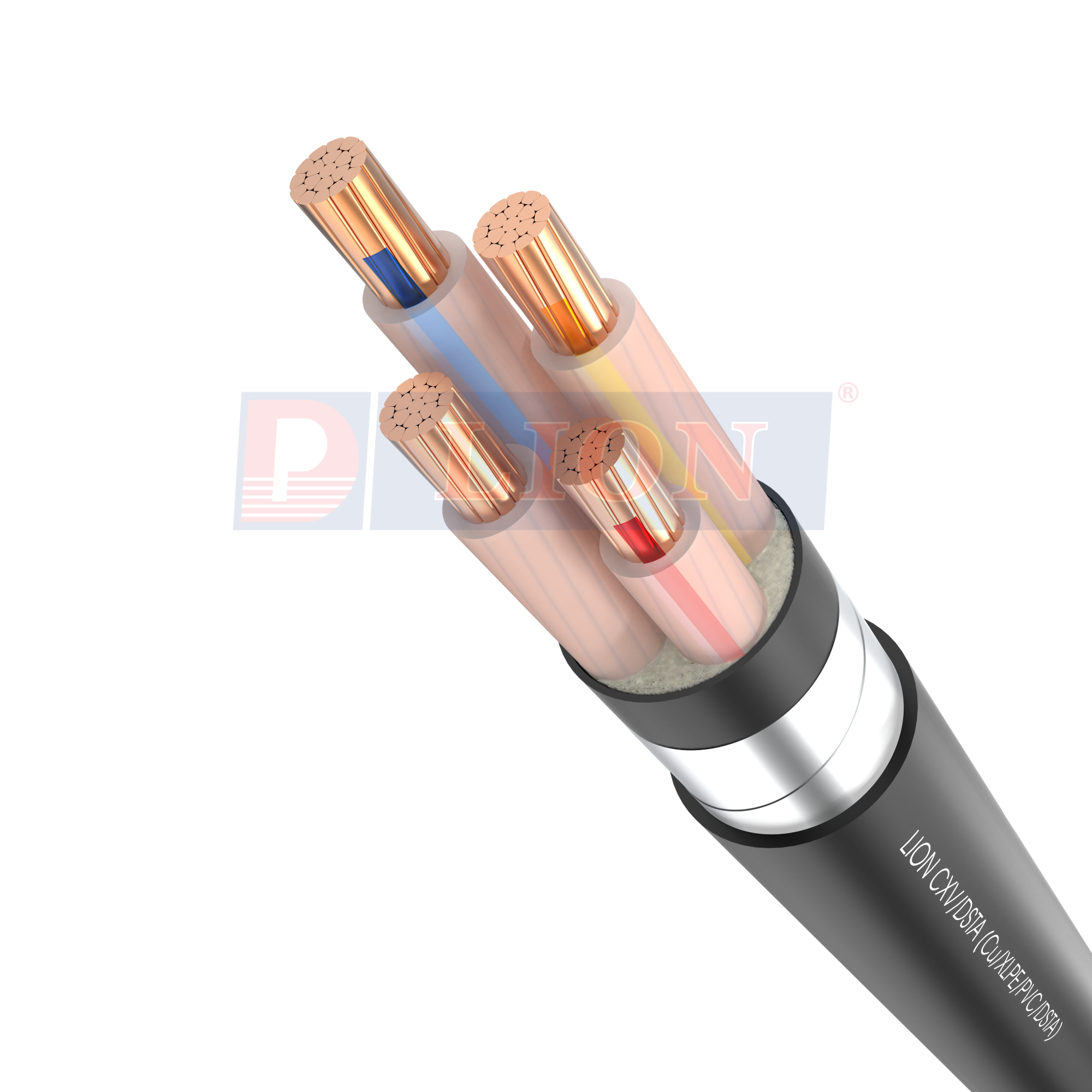
CXV/DATA (DSTA) 0.6/1 kV
LION Low-Voltage Power Cables – Safe Cable Solutions for Every Construction Project
In the field of residential and industrial electrical construction, choosing the right electrical cable is the deciding factor for operational stability, power transmission capacity, and the overall safety of the entire system. Among the options available, copper cables are always highly valued thanks to their excellent electrical conductivity, high durability, and minimized risk of overloading.
Currently, low-voltage power cables are a popular choice across many projects such as townhouses, apartments, factories, commercial buildings, and mechanical and electrical (M&E) systems. Not only do they meet technical requirements, but this cable line also helps the electrical system operate stably over the long term, limits electrical incidents, and saves on maintenance costs.
What is a Low-Voltage Power Cable? Why Are Copper-Core Low-Voltage Cables Widely Used?
A low-voltage power cable is a type of power cable used to transmit electrical energy at voltage levels of 300/500V or 0.6/1kV. This line of cables is commonly used in the power distribution systems of various construction projects.
Compared to regular conductors, copper-core low-voltage cables offer excellent load-bearing capacity, stable conductivity, and are suitable for many different installation environments.
Outstanding Advantages of Low-Voltage Power Cables
It is no coincidence that copper cables are always the top choice in the electrical industry. Below are the outstanding advantages of copper-core low-voltage cable lines:
- Excellent Electrical Conductivity, Stable Transmission
- Copper cores possess superior electrical conductivity, helping transmit electrical energy efficiently and increasing performance.
- For systems using heavy loads such as motors, pumps, and industrial equipment, choosing copper-core power cables helps limit overloading and reduces the risk of electrical short circuits.
- Low-voltage copper cables have a higher durability, are less prone to oxidation, and degrade slowler over time.
- Suitable for Multiple Types of Construction: From residential housing to industrial factories and workshops, copper-core low-voltage power cables can flexibly meet any demand thanks to their diverse range of types and nominal areas.
Popular Types of Copper-Core Power Cables Today
1. CV Cable – Copper-Core Power Cable (PVC Insulated)
CV cable is a single-core copper power cable structured with 7 strands or 32 compressed strands, jacketed in PVC insulation. This is a popular cable in residential electrical construction because it is easy to route, easy to pull through conduits, and suitable for fixed electrical systems.

Commonly used in concealed in-wall wiring, wired inside technical conduits, or used as power supply lines for socket systems, lighting, and electrical panels.
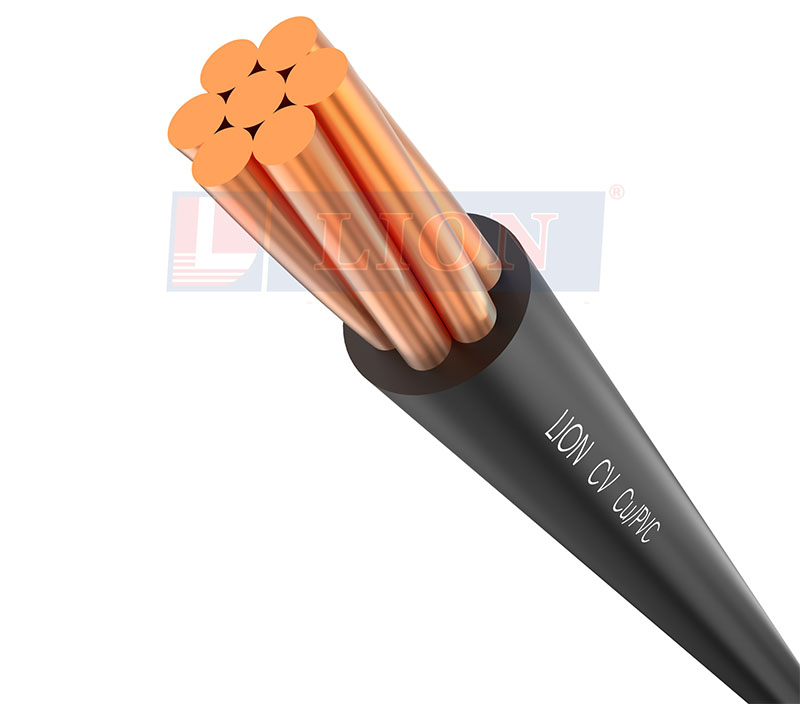
Thanks to its wide variety of nominal areas, CV cables cater to both minor projects and systems requiring heavy load capacities.
2. Multi-Core Cable Group: CVV and CXV (Distinguished by Insulation Material)
In single-phase and 3-phase electrical systems, projects often prioritize using multi-core copper cables to ensure neat installation, reduce wire tangling, and increase stability when supplying power to high-capacity equipment.
The two most popular lines are CVV and CXV cables, where the primary difference lies in their insulation layer:
- CVV Cable – PVC Insulated Low-Voltage Cable: CVV is a multi-core copper low-voltage cable utilizing PVC insulation and a PVC outer sheath. This is an ideal choice for standard residential and industrial projects due to its widespread use, ease of installation, and reasonable cost.
It is often used to supply power to main distribution boards (MDBs), sub-distribution boards, motors, pumps, and factory electrical systems.
- CXV Cable – XLPE Insulated Low-Voltage Cable: CXV is also a multi-core copper power cable line; however, it utilizes XLPE insulation material instead of PVC. The advantage of XLPE is superior heat resistance, higher load-bearing capacity, and stable operation in harsh environments. Therefore, CXV cables are preferred in high-load industrial projects, M&E projects, 3-phase electrical systems, and locations requiring high long-term durability.

3. Armored Cable Group: CVV/DSTA and CXV/DSTA (Copper Cables with Steel or Aluminum Metallic Armor)
In underground installations or environments with a high risk of mechanical impact, using standard cables is sometimes not safe enough. In these scenarios, low-voltage power cables featuring a metallic armor layer become a necessary choice.
The two popular lines in this group are CVV/DSTA and CXV/DSTA, where DSTA indicates a double steel tape armor layer that enhances cable protection.
- CVV/DSTA Cable – PVC Insulated Cable with Steel or Aluminum Armor: This is a multi-core copper cable with PVC insulation, reinforced with a steel armor layer to increase durability. This cable type is commonly used in underground installations where there is a risk of impact or compressive force.
CVV/DSTA is suitable for many industrial electrical projects due to its stability and reasonable cost.
- CXV/DSTA Cable – XLPE Insulated Cable with Steel or Aluminum Armor: This is a higher-end cable line because it combines XLPE insulation with a DSTA steel armor layer. As a result, this cable possesses both excellent heat resistance, high load capacity, and outstanding mechanical durability.
CXV/DSTA is typically utilized in factories, industrial zones, or electrical systems requiring high safety, continuous operation, and heavy loads.

How to Choose the Right Low-Voltage Copper Cable
To select the correct copper-core low-voltage cable, users should consider several crucial factors:
- Select by Load Capacity: The larger the equipment capacity, the more appropriate the wire nominal area must be to avoid overloading. This is the most critical factor when selecting copper-core power cables.
- Select by Number of Cores:
- Single-Phase electrical systems: Typically use 2-core cables.
- 3-Phase electrical systems: Typically use 3-core or 4-core cables.
- Select by Installation Environment and Cable Length: It is highly recommended to consult professionals, engineers, or construction contractors on the project to select the cable type that matches the specific installation conditions and required length.
Conclusion
Evidently, low-voltage cables are an essential and indispensable power transmission solution for all modern projects. Depending on the intended use, consumers can choose popular power cable lines like CV, CVV, CXV, or underground armored lines like CVV/DSTA and CXV/DSTA to ensure their electrical systems operate stably, safely, and durably. Choosing the right type of electrical cable not only helps reduce power loss and limit voltage drop but also extends the lifespan of the electrical system—especially for continuously operating residential and industrial projects.

Among these, LION low-voltage power cables is a trusted choice for many contractors and construction units, thanks to their stable quality, diverse product range, and consistent alignment with the technical requirements of low-voltage electrical systems. If you are looking for the right LION low-voltage cable solution for your project, choosing the correct type and nominal area right from the start will ensure your project operates safely, durably, and with optimized costs over the long run.
CONTACT INFORMATION
Address: 128 Tan Thoi Nhat 08 Street, Dong Hung Thuan Ward, Ho Chi Minh City
Hotline 1: 028 3719 1177
Website: https://daphaco.com/